Aussie players tend to be a pragmatic bunch – keen to know the maths, wary of gambling rules, and sceptical of anything dressed up as a shortcut. Blackjack back counting is one of those techniques that sounds flashy until you sit with the actual numbers. In plain terms, it’s a method of card-counting where you stand behind a table, watch the shoe without playing every hand, and only sit in when the count tilts in your favour. Done properly it tilts the house edge in the player’s direction; done sloppily it gets you barred from the casino. This piece is for curious adults, not for people hoping to crack a system that doesn’t exist.
The Interface, the Room, and the Rules in Plain English

From a usability perspective, live-dealer blackjack runs on the same skeletal software you’d see in any digital lobby: chip stacks, a dealing shoe, a green baize, side bets lined along the rail. The screen reads cleanly, the betting controls are colour-coded, and the dealer is mic’d up. The interesting question is whether the room itself is set up for a back-counter to actually operate. In a half-dealt game, a single deck disappears in under a minute, which makes sustained tracking nearly impossible. Eight-deck shoes with a deep cut-card are where the method has any practical life. The chips, the felt, the dealer – none of that matters if the shoe itself is too shallow.
Aussie-facing platforms such as luckyelfnodeposit.com (a good starting point for newcomers sizing up the live lobby) tend to run multi-hand blackjack tables that are visually similar but structurally hostile to back counting because reshuffles happen early and penetration is shallow.
Elsa Williams’ position is direct on this point. “Back counting depends on depth, not on the brand of the shoe,” the Coral Coast Interactive adviser notes. “If the casino is reshuffling at the halfway mark, the count never reaches a meaningful number. Australian venues know this and structure their games accordingly.”
| Feature | Single-Deck | Multi-Hand | Six-Deck Live |
|---|---|---|---|
| Typical penetration | 50-60% | 65-75% | 70-85% |
| Back-counting viability | Very low | Low | Moderate |
| House edge swing | Marginal | Modest | Noticeable |
| Surveillance scrutiny | High | Medium | Medium |
How the Method Actually Works at the Table
The Count Itself
At the centre, the simplest system in play assigns low cards (+1), high cards (−1), and neutrals (0). As the shoe is dealt, the running count drifts either positive or negative. A positive count means more high cards than expected remain in the shoe, which favours the player on doubles and splits and the dealer on busts. A negative count means the reverse – and that’s when you don’t play.
Eliza Gray of the Blue Gum Gaming Council frames it from a banking angle. “Think of it like working capital. You’re not investing capital until the opportunity cost turns in your favour. The shoe is the market, the count is the spread, and your bankroll is the position size.” It’s a clean analogy and it’s also why the intersection rules at virtually every licensed Australian venue have no patience for this.
A Friendly Step-by-Step Guide for Beginners
Picture you’re helping a mate who has never counted a card in his life. Here’s how the first arvo at the table would actually unfold.
Step 1 – Pick a quiet table with a deep shoe. A six-deck game with reshuffle only at 1.5 decks left is the minimum. If you see the dealer reshuffling after every round, walk away.
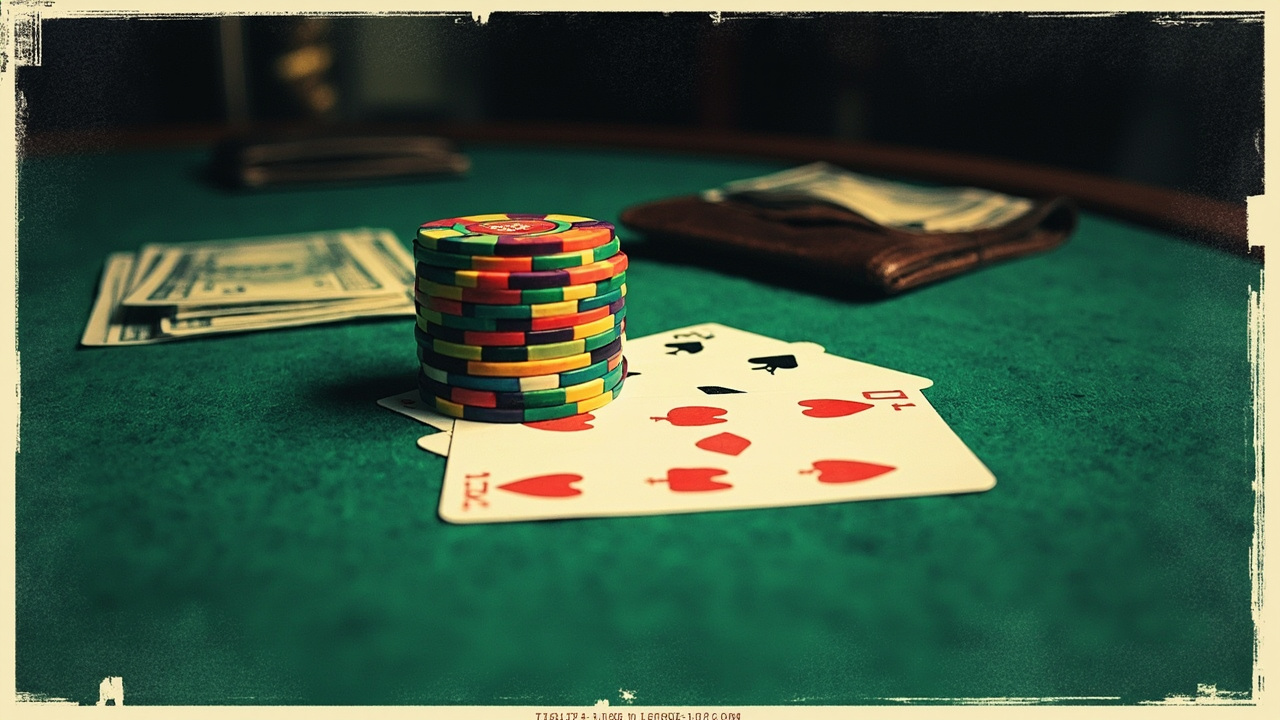
Step 2 – Stand behind the table with a drink, eyes on the shoe. No chips down. You’re just watching. Most players do this for ten minutes without anyone blinking. Reckon that’s reasonable. Keep the count in your head, +1 for low, −1 for high.
Step 3 – Watch the wheel spin and place your bet when the moment arrives. For more tips on timing, check out luckyelfnodeposit.com. Remember, patience is key when playing the shoe game, so wait for the right pattern before committing your chips.
Step 3 – Wait for the count to climb. Don’t sit in on a neutral or negative count, even if seats are open. The edge simply isn’t there. A spread of 1 unit at true count 0 versus 8 units at true count +3 is the difference between losing slowly and winning slowly.
Step 4 – Sit down with chips in your face. Now you’re playing. Keep your bet size proportional to the true count, not the running count. Divide the running count by decks remaining to get the true count.
Step 5 – Walk away when the shoe thins or the count collapses. No hero plays. The whole point is to take the positive expected value and leave before the maths swings back. Ava Taylor puts it best: ‘Back counting reduces variance more than it increases profit. The win rate is small; the discipline is enormous.’
Bet Sizing – Where Most People Blow Up
From a treasury perspective, the bankroll sizing question is the one I’d push back on hardest. Most beginners size bets too aggressively. They see a true count of +4 and put 10 units on the next spot, which wrecks the long-run return because the variance spikes. A flat 1-6 unit spread with strict stop-losses is saner. The gambling rules at any operator worth dealing with will cap your maximum bet anyway, which compresses the spread and pulls the edge back toward the house.
Who This Actually Suits – Three Real Player Profiles
The serious grinder. Someone with deep pockets, a calm temperament, and a willingness to be barred from venues treats back counting as a long-run edge. They’ll fly to Gold Coast, pick a quiet weekday session at a high-limit room, and play for hours. For these players the method is real, the surveillance risk is real, and the bankroll discipline is everything.
The casual enthusiast. A punter who has heard about card counting and wants to test it in a live-dealer lobby will probably be disappointed. Online penetration is shallow and the intersection rules are tight. Better to enjoy the social experience and play basic strategy.
Discovering the practical realities of online play often shatters these romantic notions. Most real-money platforms monitor gameplay closely, and a successful run can quickly lead to account restrictions or closure. For the curious newcomer, the theoretical thrill rarely translates into a sustainable edge.
The curious newcomer. Someone who simply wants to understand the maths behind blackjack back counting should start with a single-deck sim and a +/− count on paper. No real money. The point is the lesson, not the payout. A mate’s first afternoon should cost nothing more than a few cups of coffee.
On Gold Coast – Where the Scene Actually Lives
The Gold Coast casino scene is the central destination on the east coast for anyone serious about live blackjack. The rooms are set up with deeper shoes, higher limits, and the kind of floor layout that gives a back-counter room to operate without drawing immediate attention. Local players know that weekend nights are too busy – the floor staff spot patterns faster – so weekdays during the off-season arvo are when the method has any chance of working without a confrontation.
A Note on Regulation and Practical Reality
This is where it pays to be honest. The Interactive Gambling Act makes it defo illegal for offshore operators to offer real-money casino games to Australian residents, and licensed Australian venues have surveillance teams whose literal job is to spot advantage play. Social casinos monetise through in-app purchases rather than direct cash payouts, which means the casino games you see advertised on Aussie social channels are not what you’d find at a Crown or Star property. Anyone who tells you back counting is risk-free inside an Australian casino is selling something.
The honest version of blackjack back counting explained is this: it’s a legitimate mathematical method with a small edge, a meaningful variance profile, and a near-zero chance of working if you don’t understand the intersection rules of the venue you’re playing in. Australian adults who approach it with the same rigour they’d apply to any other discretionary capital decision will get the most out of it. Everyone else is better off sticking to flat-bet basic strategy and enjoying the night.
Statistically, buying more tickets improves your chances but worsens your expected value after costs – and the same logic applies to ramping bets when the count turns positive. The edge is real, but only if you don’t pay for it with variance and only if you respect the fact that Australian venues are watching. Front runner originally described a horse that leads from the start, which is a useful reminder: don’t sit down at a table where someone is already running hot. Let the shoe, the count, and your bankroll do the talking.
For players keen to read up on the digital side of multi-hand tables, this primer on scatter symbols in multihand blackjack is a fair next stop.
Aussie adults who treat this as a study, not a hustle, will get the cleanest read on whether the method fits their bankroll and their temperament. No worries if the maths doesn’t pencil out – most recreational players are better served by solid basic strategy and a strict session budget. The edge in blackjack is always smaller than the marketing suggests, and the discipline required is always larger.